
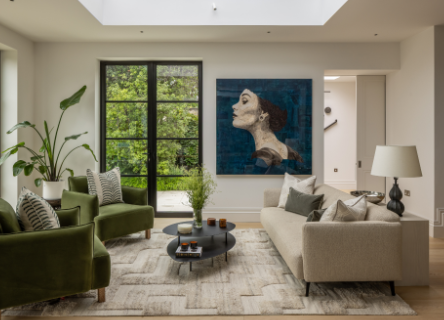
Creating a harmonious living room often hinges on the right furniture pieces, and coffee tables play a central role in this equation. Not only do they serve practical purposes for placing drinks and decor, but they also influence the overall aesthetic of your space. In this post, we will explore how to pair coffee tables with different design elements to achieve a cohesive and inviting atmosphere.
1. Choosing the Right Style: Modern vs. Traditional
The style of your coffee table should align with the overall design theme of your living room. Modern coffee tables often feature sleek lines, minimalistic designs, and materials like glass or metal. In contrast, traditional tables may showcase ornate details, wooden finishes, and classic shapes. By choosing a coffee table that complements the surrounding furniture, you can create a unified look that enhances the room’s character.
For instance, if your living room has a contemporary feel with clean lines and neutral colors, a glass-top table with metal legs would likely fit well. Conversely, a rustic wooden coffee table with intricate carvings would be a better match for a cozy cottage-style living room. Understanding these design vocabularies will help you select a table that speaks to the style you are trying to cultivate.
-
- Identify your existing decor style.
-
- Consider colors and materials that complement your sofas and chairs.
-
- Look for tables that match or contrast effectively without clashing.
-
- Think about shapes; circular tables work well for modern spaces, while rectangles suit traditional looks.
2. Material Matters: Wood, Glass, and Metal
The choice of material not only affects the aesthetics but also the durability and functionality of your coffee table. Wooden tables offer a warm, classic vibe and can range from rustic to refined. Glass tables, while stylish and contemporary, may require more maintenance but create an illusion of space by allowing the floor to show through.
Metal coffee tables, on the other hand, add an industrial touch and can be surprisingly versatile. Depending on the finish, they can merge well with both modern and eclectic designs. Consider your use; if you have kids or pets, a material that can withstand wear and tear should be prioritized, whereas a more delicate choice might suit a less active space.
-
- Assess the durability of materials based on your lifestyle.
-
- Match the material to your room’s overall tone—warm woods for cozy, and sleek metals for modern.
-
- Think about maintenance needs; glass may require frequent cleaning, while wood may need polishing.
-
- Evaluate how each material interacts with lighting and color in your room.
3. Size and Scale: Avoiding Clutter
Size and scale are crucial when selecting a coffee table. A table that’s too large can overwhelm the space, while one that’s too small can get lost among larger furniture pieces. Ideally, the coffee table should be proportional to the seating arrangement to ensure comfortable accessibility and a balanced look.
A good rule of thumb is to choose a coffee table that is around two-thirds the length of your sofa. Additionally, maintaining a distance of 18 inches between the coffee table and the seating area will allow for easy movement. Always measure your space to avoid the common mistake of purchasing a table that disrupts the flow of the room.
-
- Use a tape measure to assess the area where you want to place the coffee table.
-
- Consider the height in relation to your sofa; typically, it should be the same height or slightly lower.
-
- Visualize different sizes with paper cutouts or painter’s tape to avoid unwanted purchases.
-
- Ensure ample walking space between the coffee table and seating.
4. Accessories and Styling: Adding Personal Touches
Accessorizing your coffee table can infuse personality and warmth into your space. The right decor elements elevate the table from merely functional to genuinely stylish. Consider layering different heights of decor items such as books, candles, or plants for added interest.
For example, you might feature a stack of coffee table books with a small potted plant and a few decorative coasters. Choose items that reflect your interests or add seasonal flair. However, be mindful of not overcrowding; leaving some negative space allows each piece to breathe and provides a visually appealing arrangement.
-
- Start with a base layer, like a decorative tray, to contain smaller items.
-
- Mix and match textures—smooth, rough, tall, and short—for visual interest.
-
- Rotate decor items seasonally to keep the space fresh and exciting.
-
- Limit the number of accessories to maintain clarity and prevent clutter.
When designing a living room, the coffee table is much more than a surface; it serves as a focal point that bridges the various components of your design. By thoughtfully considering style, material, size, and accessories, you can create a harmonious environment that is not only functional but visually captivating. Take some time to evaluate your space and make choices that resonate with your personal style.