
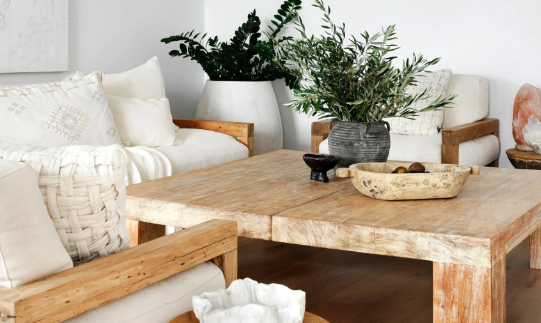
Creating a beautifully styled formal living room can seem daunting, especially when it comes to selecting the right coffee table. Coffee tables serve as more than just functional pieces; they can also enhance the overall elegance and style of your room. In this post, we’ll explore how to effectively pair coffee tables with your formal living room décor.
1. Selecting the Right Size
Choosing the appropriate size for your coffee table is crucial in ensuring your living room remains visually balanced. A table that is too large can overwhelm the space, while one that is too small can look inconsequential. A good rule of thumb is to maintain roughly 18 inches of space between the table and surrounding seating. This distance allows for easy movement and comfort when accessing snacks, drinks, and decor.
Additionally, consider the height of your coffee table in relation to your sofas and chairs. Ideally, the table should be within 1-2 inches of the height of your seating, making it easier to reach for items while keeping the flow of conversation uninterrupted. Gathering measurements and visualizing the arrangement can assist in finding that perfect fit.
-
- Measure the space to find the optimal length and width.
-
- Keep height consideration based on your seating furniture.
-
- Ensure at least an 18-inch gap from the table to seats.
-
- Visualize the arrangement before making a purchase.
2. Considering Material and Finish
The material and finish of your coffee table can either harmonize or clash with your formal living room’s aesthetic. For a touch of elegance, opt for materials such as glass, wood, or metal. Glass tables are particularly effective in smaller rooms as they create an illusion of more space. On the other hand, a wooden table can add warmth and texture, giving a sense of grounding to the decor.
Additionally, consider the finish of the coffee table. Polished or high-gloss finishes work well in contemporary or minimalist designs, while distressed or natural wood finishes can enhance a rustic or traditional theme. Take a moment to assess your existing decor and choose a table that complements the overall style rather than competing with it.
-
- Choose materials that either add elegance or warmth.
-
- Evaluate glass for smaller rooms to create openness.
-
- Look for finishes that align with your design theme.
-
- Consider durability and maintenance levels of the materials.
3. Incorporating Functionality and Style
While aesthetic is important, functionality should not be overlooked when selecting a coffee table for your formal living room. A table that offers storage can be particularly useful in keeping the space tidy while also serving decorative purposes. Multi-functional tables such as those with built-in shelves or drawers can help maintain the elegance of your space without sacrificing practicality.
Additionally, consider the shape of your coffee table and how it affects usability. Round tables are excellent for encouraging conversation, as they make it easy for people to navigate around them, while rectangular tables can offer more surface area for decor or dining purposes. The right combination of function and style can truly enhance your living room experience.
-
- Choose tables with built-in storage for added utility.
-
- Opt for shapes that encourage interaction among guests.
-
- Assess how the table can complement your daily routine.
-
- Consider scale; larger tables can serve for dining while smaller ones may be for decor.
4. Enhancing with Accessories
Accessorizing your coffee table is a great way to elevate its appearance and make it feel like a cohesive part of your living room. Layering decorative items such as books, vases, and candles can create visual interest and provoke conversation. Use a few key pieces that reflect your style; for instance, a stack of coffee table books can add dimension, while a striking vase can serve as a centerpiece.
Balance is key when accessorizing. Too many items can create clutter, whereas too few might make the table appear empty. Strive for a harmonious arrangement by varying the sizes of the decor items. Consider using trays to contain smaller items and keep the surface organized, helping to define different zones within the table area.
-
- Select a few key decorative items that reflect your style.
-
- Mix sizes and shapes for visual appeal.
-
- Utilize trays to organize smaller items.
-
- Avoid clutter; less is often more.
5. Creating a Focal Point
Your coffee table can also serve as a stunning focal point in your formal living room. To accomplish this, think about making the coffee table a unique piece, whether through color, design, or distinctive materials. A bold-colored table or one with intricate designs can draw the eye and anchor the room, serving as a conversation piece that reflects your personality.
Additionally, consider occasionally switching out decor on the table to keep it fresh and engaging. Seasonal decorations – like floral arrangements in spring or cozy candles in winter – can breathe new life into your space and keep the energy dynamic. This not only showcases your style but also ensures your living room remains inviting year-round.
-
- Choose a coffee table that stands out in design or color.
-
- Regularly update decor to keep the table feeling fresh.
-
- Think about how the table interacts with the rest of the room.
-
- Ensure the table complements other focal points in the room.
In conclusion, selecting the right coffee table for your formal living room involves thoughtful consideration of size, material, functionality, accessories, and focal points. Take the time to find a coffee table that not only complements your room’s style but also enhances its overall aesthetic. With the right coffee table in place, your living space can truly shine and be inviting for guests.