
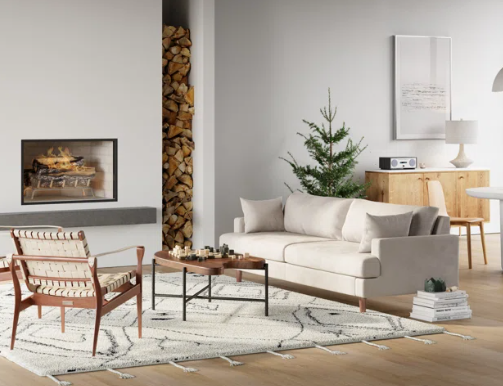
Choosing the right coffee table to complement your Scandinavian sofa can elevate your living room design. With the clean lines and minimalist aesthetics typical of Scandinavian style, the coffee table you select should not only serve a practical purpose but also enhance the overall look of your space.
1. Consider Material Compatibility
The materials used in both your Scandinavian sofa and coffee table can significantly affect the room’s vibe. Popular materials for Scandinavian furniture include light woods, metals, and textiles. For the coffee table, a natural wood finish can create a cohesive look, while glass tops with wooden bases can add a modern twist.
When selecting materials, think about how they work together with your sofa’s upholstery and design. For instance, if your sofa is upholstered in a soft grey fabric, a pale oak coffee table can keep the aesthetic light and airy. Mixing materials can also work well, as long as they share a similar color palette or texture to maintain harmony.
-
- Choose a wood finish that matches or complements your sofa.
-
- Consider a glass-top coffee table for an open, airy feel.
-
- Mix materials thoughtfully; avoid too many clashing textures.
-
- Look for tables that feature natural finishes for a cozy look.
-
- Test materials under various lighting to ensure they suit your space.
2. Determine the Right Size and Shape
Size and shape are critical components to consider when pairing a coffee table with your Scandinavian sofa. The table should be proportionate to the sofa and the size of the room itself. Generally, a coffee table should be around two-thirds the length of your sofa and should sit at a height that is approximately equal to the seat height of the sofa.
Shape also plays an important role in functionality and design. Rectangular tables work well with linear sofas, while round or oval tables can soften the angular lines and create a more inviting atmosphere. If you have a smaller living space, consider nesting tables that can be easily moved and stored to maximize flexibility.
-
- Measure your sofa’s length to determine the ideal coffee table size.
-
- Choose the height based on the sofa’s seat height for better flow.
-
- Select a shape that complements the sofa’s lines (rectangular vs. round).
-
- In smaller spaces, opt for nesting or multifunctional tables.
-
- Avoid overly large tables that can clutter your room.
3. Focus on Functionality and Style
The functionality of your coffee table should suit your lifestyle while also aligning with the Scandinavian design ethos of simplicity and ease. Think about how you’ll be using the table—whether for holding drinks, snacks, books, or decorative items. A table with additional storage or shelves can help keep your space organized, which is essential in a Scandinavian aesthetic.
Moreover, the table’s style should resonate with the understated elegance that characterizes Scandinavian design. Opt for clean lines and simple forms, steering clear of overly ornate or complicated designs. You might want to choose a table with a matte finish to avoid distracting from your beautifully styled sofa.
-
- Consider a table with built-in storage for a clutter-free look.
-
- Select a style that maintains a minimalist approach.
-
- Keep the surface clear of clutter to emphasize design simplicity.
-
- Look for tables that complement decorative elements like plants or art.
-
- Choose shapes and features that add practicality without sacrificing style.
By considering the materials, size, shape, and functionality of your coffee table, you can create a harmonious living space that reflects the simplicity and beauty of Scandinavian design. Whether you prefer a natural wood tone or a sleek glass finish, the perfect coffee table can tie your entire room together.
In summary, choosing the right coffee table to pair with your Scandinavian sofa involves a thoughtful assessment of materials and functionality. By prioritizing these elements, you can achieve a cohesive and stylish living area that is both practical and aesthetically pleasing. Take the time to evaluate what suits your space best, and don’t hesitate to consult a professional for design advice if needed!