
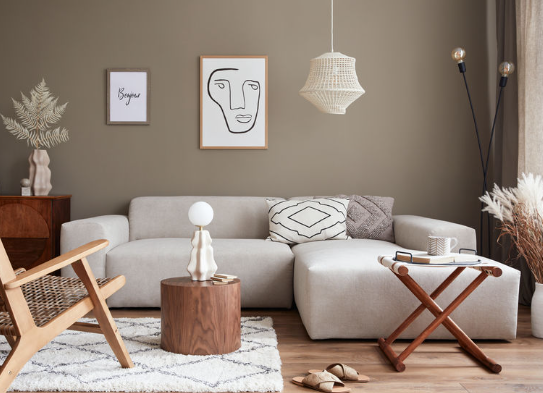
Your living room is often the heart of your home, where you entertain guests and unwind after a long day. Choosing the right furniture pieces and pairing them effectively can enhance both comfort and style, setting the tone for the entire space.
1. Consider Scale and Proportions
When pairing furniture, it’s essential to consider the scale and proportions of each piece. For instance, a large sectional sofa would overwhelm a small living room and make the space feel cramped. Instead, opt for a mid-sized sofa combined with a couple of accent chairs that maintain harmony without sacrificing comfort.
Furthermore, visualize the room’s layout. You can create a better flow by ensuring that large and small pieces work together. Use a combination of bulky and slender shapes to establish visual interest. For example, pair rounded armchairs with rectangular coffee tables to balance the forms in your living room.
-
- Measure your space before purchasing any furniture.
-
- Mix large and small pieces for a balanced look.
-
- Leave enough space between furniture for easy movement.
-
- Choose versatile pieces that can serve multiple purposes.
2. Harmonize Textures and Fabrics
Texture plays a critical role in the aesthetic appeal of your living room. Combining various materials can create depth and warmth. For instance, pairing a sleek leather sofa with a soft, plush area rug can provide a beautiful contrast that invites relaxation. Don’t shy away from mixing textiles; cotton and velvet can coexist beautifully when balanced correctly.
Consider the color palette as well. Soft, neutral shades of upholstery paired with textured throw blankets or bold-patterned accent pillows can enhance the room’s signature style. Remember, the aim is to create a cohesive look that feels inviting and expertly curated.
-
- Use a variety of textures, like leather, fabric, and wood.
-
- Select a color palette that reflects your style.
-
- Incorporate patterned textiles for visual interest.
-
- Layer textiles with throws, pillows, and rugs.
3. Create a Focal Point
Establishing a focal point in your living room is vital for guiding your furniture arrangement. Whether it’s a stunning piece of artwork, a fireplace, or a large window, the focal point provides a grounding element that anchors the room’s design. Arrange your seating around this feature to create a natural flow, encouraging conversation and comfort.
For example, if you have a fireplace, consider a sofa positioned directly across from it with chairs flanking either side. This arrangement not only emphasizes the focal point but also makes the area feel warmer and more inviting. If your living room is spacious, consider using multiple focal points, like creating a reading nook with a comfortable chair and a small bookshelf, adding layers to your design.
-
- Identify the room’s natural focal point.
-
- Arrange seating to encourage conversation around it.
-
- Layer decorative elements to enhance visual interest.
-
- Use rugs to help define different areas in larger spaces.
4. Mind the Color Scheme
The color scheme you choose will significantly influence the mood and style of your living room. Consistency is key when pairing furniture. If you prefer a minimalist look, keep your color palette subdued, using variations of whites, greys, and beiges. On the other hand, a vibrant and energetic palette can feature bold splashes of color through accent furniture, art, or accessories.
When selecting main furniture pieces, consider their colors and how they blend with the overall color scheme. For instance, a charcoal sofa can work beautifully with pastel-colored throw pillows, while a bright yellow chair would pop against a muted backdrop. Layering various hues can create a dynamic yet cohesive furniture pairing.
-
- Choose a consistent color palette for a unified look.
-
- Use accent colors to make certain pieces stand out.
-
- Opt for lighter colors to make a small room feel larger.
-
- Incorporate natural tones for a warm, cozy feel.
5. Personalize with Accessories
While choosing your main furniture pieces is crucial, don’t overlook the power of accessories in personalizing your living room. Accessories such as artwork, books, and decorative items can provide the finishing touch that makes your space uniquely yours. For example, a collection of framed family photos on a side table can add a personal element, while a strategically placed vase of fresh flowers brings life to any seating arrangement.
Create visual interest by mixing the heights and sizes of accessories. Taller plants paired with shorter decorative objects contribute to an appealing tableau. You could also use stackable books on your coffee table as both decorative and functional pieces. Remember to clear the clutter to maintain an organized and inviting atmosphere.
-
- Incorporate personal items to tell your story.
-
- Mix different heights and sizes for visual interest.
-
- Rotate accessories seasonally for a fresh look.
-
- Avoid overcrowding surfaces to maintain a clean aesthetic.
In conclusion, pairing furniture in your living room is not just about aesthetics; it’s about creating an environment that reflects your personal style while providing comfort. Take your time to experiment with different arrangements and elements until you find the perfect blend. Don’t hesitate to consult with a design professional if you feel you need more tailored inspiration or guidance in your living space.