
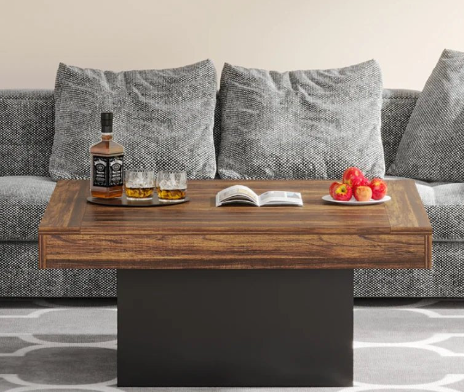
Choosing the right coffee table color for your sofa can make a significant impact on your living room’s overall aesthetics. A well-chosen color can harmonize the space or create an intriguing contrast that adds personality to your décor. Here, we’ll explore the best coffee table colors for various sofa styles, helping you make a well-informed decision.
1. Neutral Tones for Versatility
Neutral colors like beige, gray, and taupe are timeless and can adapt to any style of sofa. These shades provide a calming backdrop, allowing other elements in the room to shine. For example, a light gray coffee table can complement both a navy blue and a cream-colored sofa, enhancing the space’s cohesion without overwhelming it.
When choosing a neutral coffee table, consider the undertones of your sofa. A warm beige table can match beautifully with a warm-toned brown sofa, while a cool gray might suit a more modern, minimalist aesthetic. Additionally, neutral tones are less likely to clash with other décor elements in the room.
-
- Choose a coffee table that incorporates subtle textures to add interest.
-
- Consider the finish; a matte or glossy surface can create different vibes.
-
- Mix neutral tones; experiment with multiple shades of gray or beige in the room.
-
- Incorporate decorative accents to prevent the room from feeling flat.
2. Bold Colors for a Statement Piece
If you’re looking to make a statement, a bold coffee table color may be just what you need. Bright reds, vivid greens, or deep blues can inject energy into your living space, particularly when paired with a muted sofa. For instance, a bright yellow coffee table can impressively pop against a gray or beige sofa, creating an eye-catching contrast.
However, it’s essential to strike a balance when using bold colors. Avoid overwhelming the space with too many vibrant elements; instead, let your coffee table be the focal point. Consider adding complementary accessories, like vases or art, to tie the bold color into your overall décor seamlessly.
-
- Choose a color that reflects your personality and resonates with your style.
-
- Limit bold colors to one or two pieces in the room to maintain visual harmony.
-
- Incorporate patterns or textured accessories to balance out the boldness.
-
- Evaluate lighting; ensure the color works well in both natural and artificial light.
3. Complementary Colors for Visual Interest
Using complementary colors can enhance the visual appeal of your living room. When selecting a coffee table, consider colors that are opposite each other on the color wheel. For example, a teal coffee table can beautifully contrast with a warm orange sofa, creating a vibrant yet balanced look.
Feel free to experiment with a layered color palette that includes various shades of complementary colors. This strategy can add depth to your space without making it feel chaotic. A well-placed artwork or cushion that incorporates these complementary colors can tie the entire look together, ensuring a cohesive design.
-
- Study the color wheel to identify complementary shades that work for your palette.
-
- Use accessories to reinforce the complementary color scheme throughout the room.
-
- Test paint swatches or fabric samples next to your sofa before making a selection.
-
- Consider the size of the coffee table; larger pieces may dominate the palette.
In conclusion, selecting the best coffee table color for your sofa entails considering neutrals for versatility, bold colors for a statement, or complementary hues for visual interest. Take your time to evaluate each option and experiment with accessories, ensuring you create a harmonious yet stylish living space that reflects your personality. Don’t hesitate to consult a professional interior designer for personalized assistance tailored to your needs and decor style.