
When it comes to creating a comfortable and inviting living space, one crucial aspect to consider is the height of your coffee table in relation to your sofa. Getting these measurements right can enhance the functionality and aesthetics of your space, allowing for easy access to beverages, books, and snacks while providing a harmonious look. This blog post will delve into the nuances of coffee table height versus sofa height, helping you find the perfect balance for your living area.
1. Understanding Standard Heights
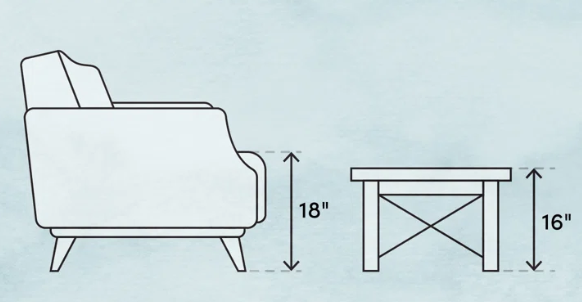
Before making any purchase, it’s essential to understand the standard heights associated with coffee tables and sofas. Typically, a standard sofa seat height ranges from 18 to 20 inches, allowing for a comfortable sitting position. In contrast, coffee tables usually measure between 16 to 20 inches in height. This height difference is crucial because it can influence how you interact with the table while seated on your sofa.
Choosing the right table height can make a dramatic difference in your comfort level. If your coffee table is too high, it can be awkward to reach for items, while a table that is too low may leave you bending over uncomfortably. Strive for a table height that is approximately 1 to 2 inches lower than the seat height of your sofa for optimal ease of access.
-
- Measure the height of your sofa from the ground to the seat cushion.
-
- Choose a coffee table that is 1 to 2 inches shorter than your sofa’s seat height.
-
- Consider the seating arrangement and traffic flow in your living room.
-
- Test the height by sitting in your sofa and reaching for your prospective coffee table.
2. Impact of Design and Style
Besides practicality, design plays a significant role in how coffee table height interacts with your sofa. Various styles vary in height due to design aesthetics and intended use. For instance, modern coffee tables often align closely with the sofa’s arm height, while traditional designs might be slightly lower. Keeping consistent design logic in mind can enhance the overall look of your living area.
Additionally, if your sofa features a higher sitting position, select a coffee table that complements this height. Conversely, a low-slung sofa might benefit from a taller table to maintain balance and prevent the space from feeling unproportioned. Always remember that the goal is to create harmony between the two elements, leading to a more inviting atmosphere.
-
- Choose a coffee table design that complements your sofa’s style.
-
- Ensure that the table’s height provides visual balance with the couch.
-
- Don’t shy away from trying unconventional designs, but maintain height proportions.
-
- Consider multi-functional furniture that can serve both as a table and storage.
3. Practical Considerations for Choosing the Right Height
Now that you understand the standard heights and design considerations, let’s delve into practicalities. Besides style and aesthetics, functionality is key. A coffee table needs to serve its purpose without disrupting your area’s flow. This means considering things such as the table’s stability, usability, and your lifestyle when determining the height.
If you frequently host guests, for example, consider a coffee table that offers ample surface area without overwhelming the space. Conversely, if it’s mainly for personal use, a smaller, lower table might work well with a cozy two-seater couch. Remember that different families have varying needs, and these factors will help you create a more functional space tailored to your lifestyle.
-
- Assess your primary use for the coffee table (e.g., snacks, drinks, workspace).
-
- Think about your height and the height of others in your household.
-
- Consider children or pets; opt for tables with rounded edges for safety.
-
- Check for any height adjustments if choosing a multi-functional table.
4. Experimenting Before You Buy
Before making a final decision, it’s wise to conduct some in-home experiments. This not only enhances your choices but can also lead you to discover new configurations that work better than you’d expected. If you’re thinking of purchasing a new coffee table, consider borrowing a friend’s or using temporary alternatives to gauge what works best in your living space.
Place the temporary table at different heights around your sofa and observe how it feels in everyday use. Is it easy to reach for your morning coffee? Does it get in the way when you’re entertaining guests? This hands-on approach is invaluable and often overlooked in the purchasing process.
-
- Use a stack of books to simulate different table heights.
-
- Arrange your seating in various configurations to see what feels right.
-
- Test how different heights affect your comfort during various activities.
-
- Ask friends and family for their opinions on height and style.
Finding the right coffee table height involves considering both functionality and design nuances in relation to your sofa height. By investing time in measurement, style selection, and experimentation, you can create a living space that is both comfortable and visually appealing. Take these guidelines into account as you furnish your home, ensuring that every element works in harmony for you and your loved ones.