
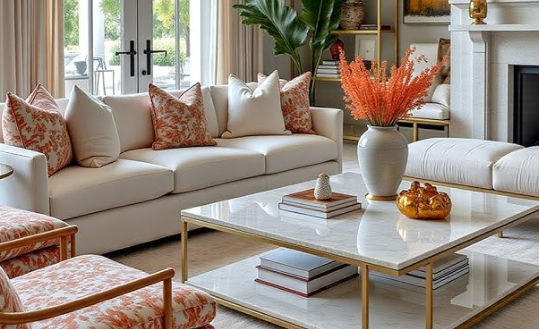
Minimalism in interior design emphasizes simplicity and functionality, making it easier to create a peaceful home environment. A carefully curated sofa and coffee table can significantly enhance your space while supporting a minimalist aesthetic. This post explores several innovative ideas for minimalist sofas and coffee tables that are both stylish and practical.
1. Choosing the Right Sofa for Minimalism
The first step in achieving a minimalist look is selecting the right sofa. Opt for designs with clean lines and neutral colors to keep the space feeling open and airy. Sofas made from materials like leather or natural fibers, such as cotton or linen, add an elegant touch while harmonizing with other minimalist elements.
Consider modular sofas that allow for flexibility in arrangement. This adaptability not only makes it easier to change the layout when desired but also aids in maximizing space. A single sofa can serve multiple functions, such as a lounge area for reading or a cozy spot for socializing with friends.
-
- Choose neutral tones like white, grey, or beige for versatility.
-
- Look for sofas with wooden or metal legs to create an illusion of more space.
-
- Select high-quality, durable fabrics for long-lasting use.
-
- Consider a sectional sofa for larger rooms to maximize seating options.
-
- Incorporate throw pillows with solid colors instead of busy patterns.
2. Coffee Table Selection and Placement
A coffee table often serves as the focal point for a living room, and its design should complement your minimalist sofa. Opt for tables with a simple silhouette and avoid heavy materials. Glass or lightweight wood tables can work wonders in creating an open feel while maintaining functionality.
Placement is just as crucial as selection. Position your coffee table approximately 18 inches from the sofa for optimal accessibility. Pair it with stylish coasters or a single decorative item, like a vase—this prevents clutter while keeping the design intentional and engaging.
-
- Choose a coffee table that matches your sofa’s aesthetic.
-
- Consider multi-functional tables with storage options.
-
- Maintain a clear path around the coffee table for easy access.
-
- Use a table that complements the room’s proportions—avoid oversized pieces.
-
- Incorporate natural elements like a small plant or stone for an organic touch.
3. Accessorizing Your Minimalist Setup
After selecting your sofa and coffee table, accessorizing is vital to creating a harmonious living space. Choose a few carefully selected accessories instead of overcrowding your furniture. Items such as beautiful art pieces, books, or candles can enhance the overall vibe without compromising the minimalist principle.
When accessorizing, focus on quality over quantity. A single, striking piece of wall art can make more statement than a collection of smaller items. Balance your decor by mixing textures and materials, complementing your sofa and coffee table with pillows, throws, or small decorative items that provoke conversation.
-
- Limit accessories to 3-5 key items to prevent visual clutter.
-
- Select decorative elements that resonate with your personal style.
-
- Experiment with texture—for instance, a woven basket beside a sleek table.
-
- Regularly evaluate your space for items that may no longer fit.
-
- Use light and neutral colors to keep everything balanced.
4. Maintenance and Care for Minimalist Furniture
Caring for your minimalist furniture is essential to sustaining its aesthetic appeal. Regular cleaning will help to maintain the allure of your sofa and coffee table. Use a microfiber cloth to keep surfaces free from dust and avoid using harsh chemicals, as they may compromise the material’s finish.
<pAdditionally, rotate cushions and throws to ensure even wear. Consider investing in protective covers or treatments for upholstery elements, particularly if you have pets or children. This proactive approach will help keep your minimalist setup looking fresh and inviting.
-
- Dust and clean surfaces weekly to maintain luster.
-
- Use coasters to protect surfaces from water rings or heat.
-
- Rotate cushions every few weeks to avoid uneven wear.
-
- Make use of fabric protectors specifically designed for your sofa material.
-
- Keep the area around your furniture clear to avoid scratches and scuffs.
5. Considering Small Spaces
For those working with limited space, minimalist furniture can be particularly beneficial. Select a sofa that offers storage options, such as an ottoman or bench with concealed compartments. This additional storage can help keep clutter at bay while still maintaining an airy feel in your living space.
When selecting a coffee table for a small area, consider nesting tables that can be pulled apart when needed and tucked away when not in use. This flexibility allows you to adapt to your needs without sacrificing style.
-
- Opt for multifunctional furniture to maximize utility.
-
- Choose lighter colors to make small spaces appear larger.
-
- Utilize wall space with floating shelves for added storage.
-
- Keep furniture scaled appropriately—avoid oversized pieces.
-
- Incorporate mirrors to create a sense of depth.
In conclusion, minimalism offers a striking design philosophy that emphasizes simplicity and purpose. By thoughtfully choosing a sofa and coffee table, and accessorizing mindfully, you can create a serene living space that reflects your style. Now is the perfect time to start your minimalist journey—evaluate your current furniture setup and consider what changes can bring clarity and beauty to your home.